
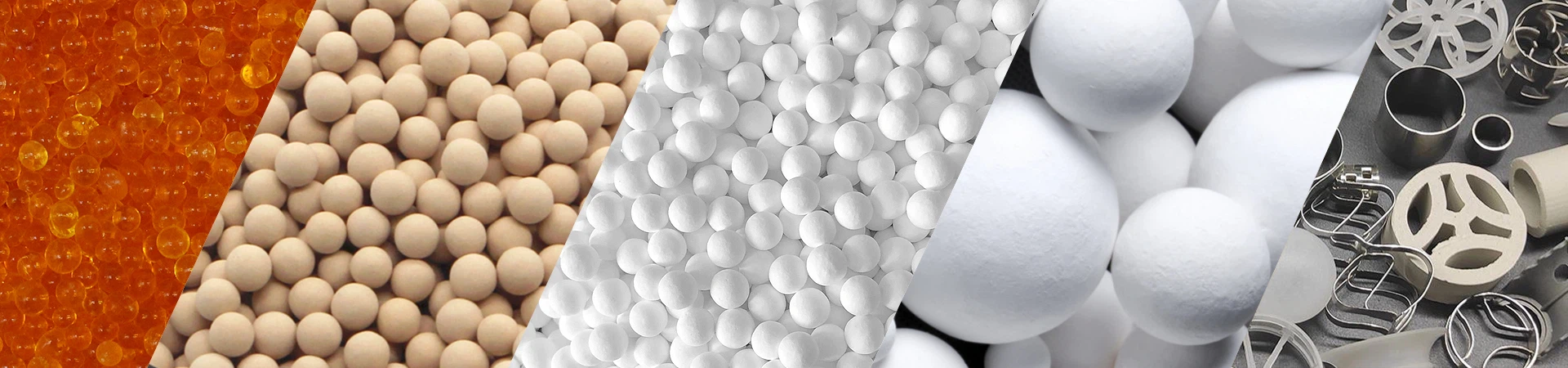
Adsorption method is the use of some adsorption ability of materials such as activated carbon, silica gel, Zeolite Molecular Sieve, activated alumina with porous materials adsorption of harmful components to achieve the purpose of eliminating harmful pollution. Microporous and mesoporous materials have been widely used in adsorption processes. The advantages of adsorption method are high removal efficiency, low energy consumption, mature process and recovery of solvent after desorption. The disadvantage is that the equipment is huge, the process is complex, the operation cost after investment is high and there is secondary pollution. When there are colloidal particles or other impurities in the exhaust gas, the adsorbent is easy to be poisoned.
The adsorption effect of adsorption method mainly depends on the nature of adsorbent, the pollutant species in gas phase and the process conditions of adsorption system (such as operating temperature, humidity and other factors), so the key problem of adsorption method lies in the selection of adsorbent. Adsorbent should have dense pore structure, large internal surface area, good adsorption performance, stable chemical properties, acid and alkali resistance, water resistance, high temperature and high pressure resistance, not easy to break, small air resistance. Commonly used adsorbents are activated carbon (granular and fibrous), activated alumina, silica gel, synthetic zeolite, etc.

