
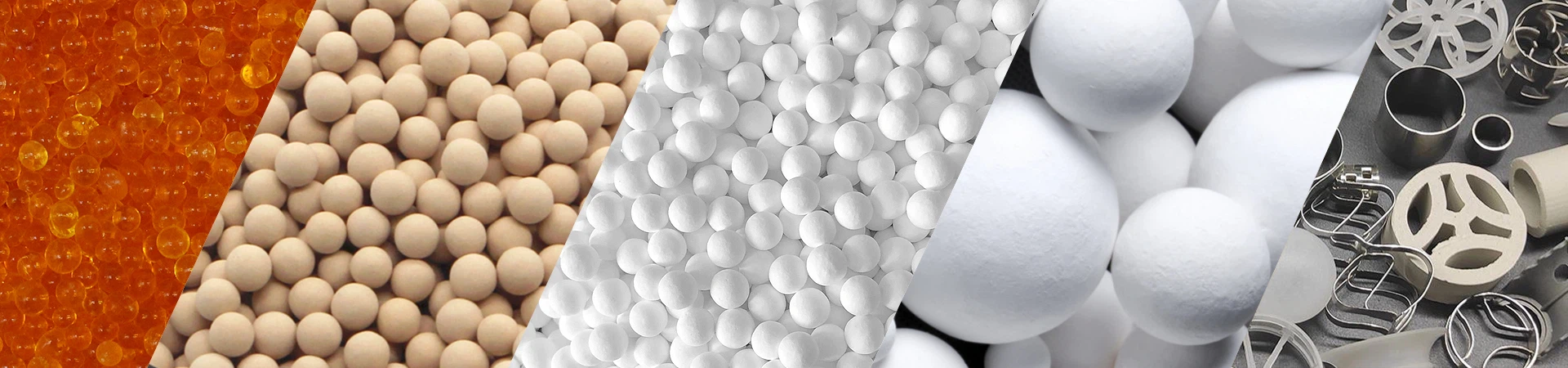
What Is Random Packing
Random packing optimizes the separation process by providing a large, wet surface where chemical separation, also known as mass transfer, can take place. In the process of mass transfer, separation is usually achieved through the opposing forces of heat and pressure vs. gravity. Heat and pressure drive water vapor upward, whereas gravity impels liquid material downward. Packing is used to amplify these forces and facilitate faster and more efficient chemical separation processes.
Random packing come in a variety of different forms. Plants can choose their material to fit the surface area, weight, corrosion resistance and pressure drop that they need. For example, metal packing materials are known for their strength, but plastic packing materials are typically more cost-effective. Ceramic packing materials can be brittle, but they are in high demand for corrosive substances such as chemical waste because they resist corrosion well.
Random packing materials must meet a few requirements to perform effectively. They must not interact chemically with the fluids being packed. They must be strong but lightweight. They must contain enough passageways that the liquid material can flow through without obstructing the liquid or causing drops in pressure. They must also allow for the proper amount of contact between liquid and gas.


-

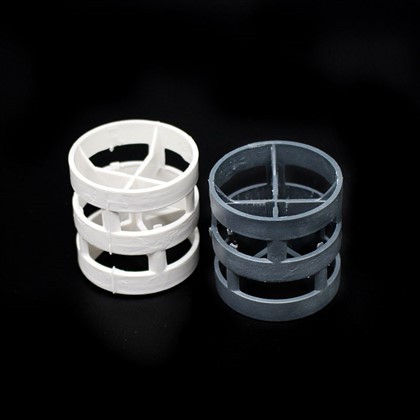
76mm/89mm 304L/316/316 Metal Pall Ring for Scrubbing Tower
76mm/89mm 304L/316/316 metal pall ring for scrubbing tower Product Description. Pall ring is made Add to Inquiry -
Pall Rings 2in PE For Water Treatment
We use virgin PTFE raw material for the manufacturing of PTFE pall rings.No recycled or reprocessed Add to Inquiry -
PTFE Pall Rings 25mm 38mm 50mm
We use virgin PTFE raw material for the manufacturing of PTFE pall rings.No recycled or reprocessed Add to Inquiry -
Ceramic Raschig Ring Used in Drying Towers
50mm ceramic raschig ring with heat and acid resistant for packed bed tower Product Description. Add to Inquiry -
SS 304L 316L Metal Super Raschig Ring
Low liquid holdup SS 304L 316L 50mm 70mm metal super raschig ring for petrochemical industry Product Add to Inquiry -
SS304 304l 316 316L Stainless Steel Super Intalox Saddles
25mm SS304 304l 316 316l stainless steel super intalox saddle for cooling tower Product Add to Inquiry -
1-3 Inch Ceramic Intalox Saddles Packing for Tower Packing
1-3 inch ceramic intalox saddles packing for tower packing . 1. Specification. Package & Add to Inquiry -
CPVC PVDF PTFE 1 1.5 2 Plastic Tri Packs for Environmenta...
CPVC PVDF PTFE 1" 1.5" 2" plastic tri packs for environmental industry Product Add to Inquiry




CHEMXIN CATERS TO FOLLOWING INDUSTRIES
Demanding industries require quality-built products. CHEMXIN is a partner to clients in the following sectors:
Chemical & Food Processing
Ethanol Production Plants
Water & Wastewater Industry
Petrochemical
Pharmaceuticals
Odor Controls
Plating & Metal Finishing
Pulp & Paper
Refineries
do you have any question?

The Applications of Random Packing
Random packing is used in separation columns, such as a distillation column, to increase surface area for vapor/liquid contact so that chemical separation is more efficient. The small pieces of random packing in a distillation column are designed to form a large surface area where the reactants can interact while minimizing complexity within the column. Random packing is designed to maximize the surface-to-volume ratio and minimize pressure drop.
How Does Random Packing Work?
To install random packing, materials are dumped into a column and allowed to settle. The materials are collected randomly in the packaging bed inside the collection container. Then the liquid to be separated flows through the materials.
Benefits of Random Packing
Most separations call for random packing. The major advantage of random packing is that it is much less expensive to implement than structured packing. Other benefits of random packing, such as improved contact area, mass transfer and efficiency over older technologies such as tray technology, come without high costs.
What Is the Difference Between Structured Packing and Random Packing?
Random packing uses a random distribution of small packing materials to assist in the separation process, while structured packing uses larger, fixed packing structures. These more formal materials guide the liquid materials through complex structural channels into a specific, fixed shape.
Chemxin is one of the leading manufacturers of famous brands' tower packing. With advanced technology and experienced experts, we can assure you of its quality and standard. Welcome to buy the low price tower packing in stock with us.
3a zeolite for cracked gas drying